
Parkinson’s disease has puzzled scientists for years. We’ve known that clumps of the protein alpha-synuclein build up inside brain cells, but not exactly how they cause damage. Now, researchers from the Tofaris Lab at Oxford have uncovered a key piece of the puzzle.
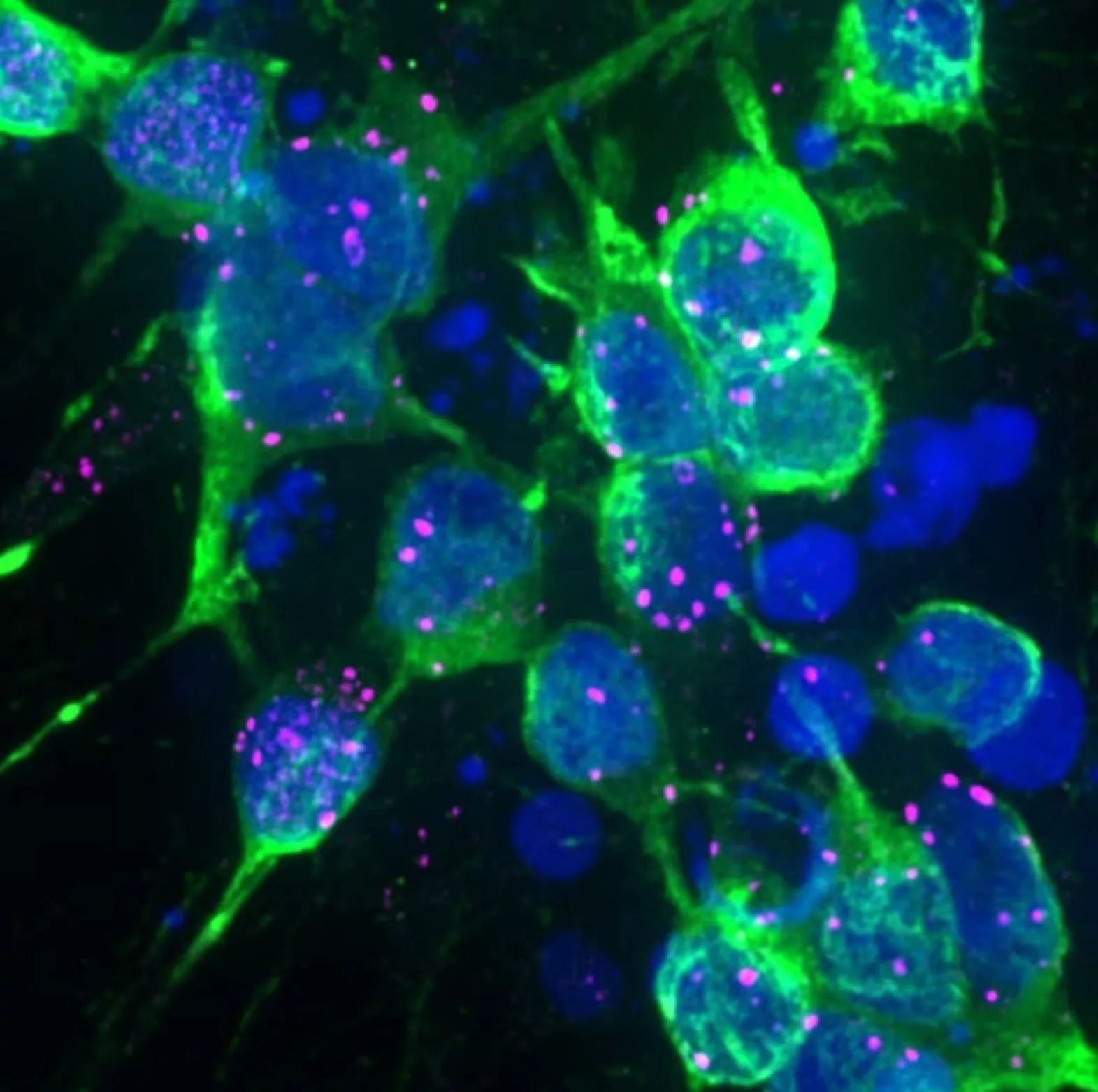
They discovered that toxic forms of alpha-synuclein latch onto a protein called Sec61A. This protein is part of a “gateway” that helps newly made proteins enter the cell’s protein-processing center, the endoplasmic reticulum (ER). When alpha-synuclein blocks this gateway, important proteins can’t reach the cell’s recycling centers, the lysosomes. Without those proteins, lysosomes fail to clear waste properly, and neurons start releasing more alpha-synuclein in tiny particles called extracellular vesicles.
Professor George Tofaris explained:
“Our work shows that toxic alpha-synuclein blocks one of the cell’s most fundamental protein delivery systems. This provides a unifying explanation for why many different genetic risk factors for Parkinson’s disease ultimately disrupt the same cellular processes.”
Calcium can play a role in the development of Parkinson’s disease
This analysis presents you with a plethora of insights into Parkinson’s disease itself. It provides a mechanistic link between alpha‑synuclein pathology and organelle dysfunction to argue for early proteasomal activation as a treatment intervention.
It also reframes what is known about genetic risk factors and convergence in Parkinson’s as a new way of thinking about the progression of disease. However, desensitization is only one first step toward therapies that may not only prevent neuronal damage and death, as even neuroprotective treatments ultimately leave affected neurons with synaptic deficits or loss; this approach also opens new horizons for restoration.
The team also found that neurons didn’t trigger the usual stress response when the ER was blocked. Instead, they switched on an alternative pathway called UFMylation, which may be an early event in Parkinson’s disease.
Importantly, the researchers also demonstrated that reducing alpha-synuclein levels improved abnormal protein transport in cells. They did this in two steps, first by using CRISPR interference to suppress the production of alpha‑synuclein; and second by stimulating up-regulation of proteins that allow the proteasome, the cell’s protein clearance machinery, using drugs already used for other diseases.
Professor Tofaris added: “Perhaps the most encouraging finding was that we could reverse these defects in human neurons by boosting the cell’s own protein clearance machinery. Although much more work is needed before this approach can be tested in patients, our findings provide a rationale for exploring this strategy as an early treatment for Parkinson’s disease.”
Journal Reference:
- Lam, C.L., Gatford, N.J.F., Aragón-González, A. et al. α-Synuclein blocks endoplasmic reticulum co-translational protein translocation early in Parkinson’s disease. Nat Commun 17, 7768 (2026). DOI: 10.1038/s41467-026-76173-4